The Inlet Inn Traveler's Guide: Shelling Secrets
Where to Find the Best Treasures on the Crystal Coast (And When to Go)
A Note from the Inlet Inn Team:
“Guests often ask us, ‘When is the best time to go shelling?’ The answer might surprise you. While summer shelling is wonderful for wading in the warm water, the serious treasures often wash up in the cooler months. And wise beachcombers get excited when rain’s in the forecast! Whether you are visiting in July or January, we want to help you go home with a bucket full of memories.“
The "Secret Season" vs. The Summer Hunt
Shelling changes with the calendar. Here is how to plan your trip based on what you want to find:
- The “Pro” Season (October – April): This is the locals’ favorite time. Nor’easters and winter storms churn up the ocean floor, depositing massive whelks and pristine conches that remain buried in the summer. Plus, with fewer tourists, you aren’t competing for the best finds. Bundle up, bring a thermos of coffee, and enjoy the solitude.
- The Summer Season (May – September): This is about the full sensory experience. The water is warm enough to wade out to the sandbars where the “prizes” get trapped before they hit the dry sand. It is the perfect excuse to cool off while you hunt.
The Golden Rule: Tides Matter
If you walk out at high tide, you might find nothing but sea foam. For the best luck, you need to time it right.
- Best Time: Aim for one hour before Low Tide to one hour after Low Tide.
- The “King” Tides: If you can time your visit during a Full Moon or New Moon, the tides are more extreme, exposing sandbars that are usually underwater.
- Check the Chart: We can look up the daily tide charts at the Front Desk—just ask us before you head out!
Top 3 Shelling Spots Near Beaufort
1. Sand Dollar Island (The Rachel Carson Reserve) Located directly across from the Inlet Inn, this large sandbar is famous for—you guessed it—Sand Dollars.
- How to get there: A short ferry ride or water taxi from the waterfront.
- What to look for: Sand Dollars, obviously! But remember the rules (see below).
2. Shackleford Banks (The Ocean Side) We mentioned Shackleford for the horses, but the shelling is world-class.
- Where to look: Don’t stay near the ferry dock. Walk across the dunes to the ocean side. The waves here bring in Scotch Bonnets (the NC State Shell), Helmet Conchs, and Lettered Olives.
3. Cape Lookout Point If you take the ferry to the lighthouse, consider taking the truck shuttle to “The Point.”
- Why it’s special: Currents from the north and south collide here, creating a “shell trap.” It is often where the largest Whelks are found.
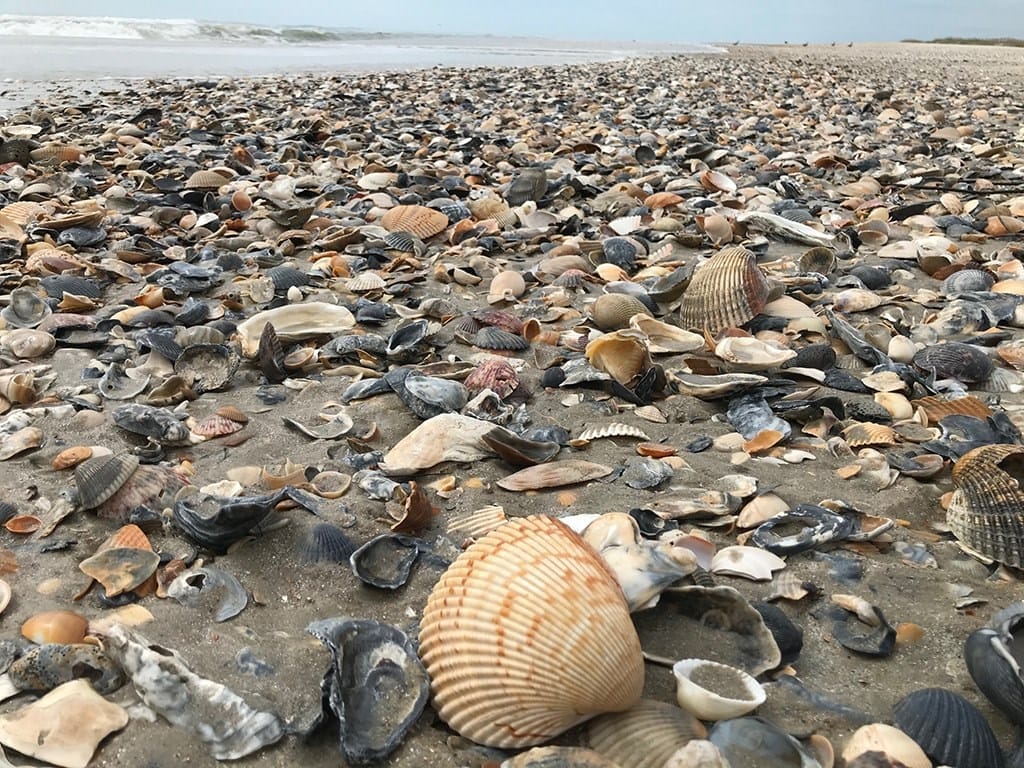
The "Good Sheller" Checklist
We take conservation seriously at the Inlet Inn. Here is how to keep our ecosystem healthy:
- The Live Shell Rule: If a shell has a creature living inside it, or if a Sand Dollar is fuzzy and purple/brown (not white), put it back. It is alive! Taking live specimens is illegal in many areas and hurts the local population.
- What to Bring:
- Mesh Bag: Plastic bags trap water and sand. A mesh bag lets the sand sift out as you walk.
- Polarized Sunglasses: These cut the glare on the water, helping you spot shells that are just beneath the surface.
- Water Shoes: Essential for summer wading to protect against sharp shell fragments.
Identifying Your Finds
Not sure what you found? Bring your haul back to the Inn! We have several identification books in the Lookout Lounge and love seeing what our guests discover. Common finds include:
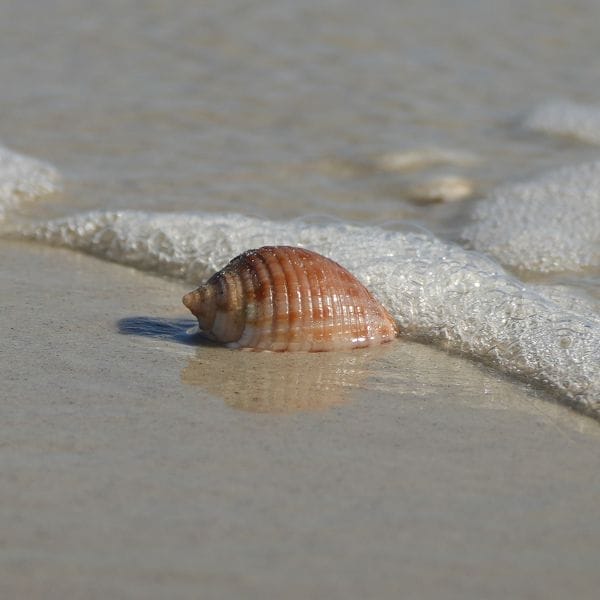
Scotch Bonnet
Look for a pattern that looks like a plaid kilt.
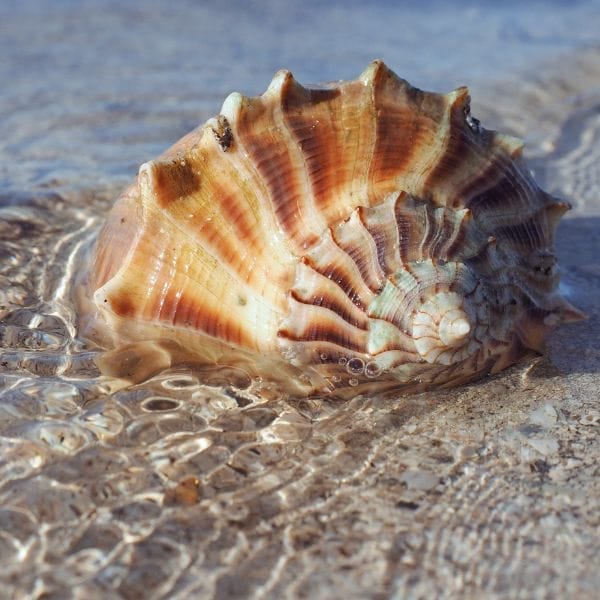
Lightning Whelk
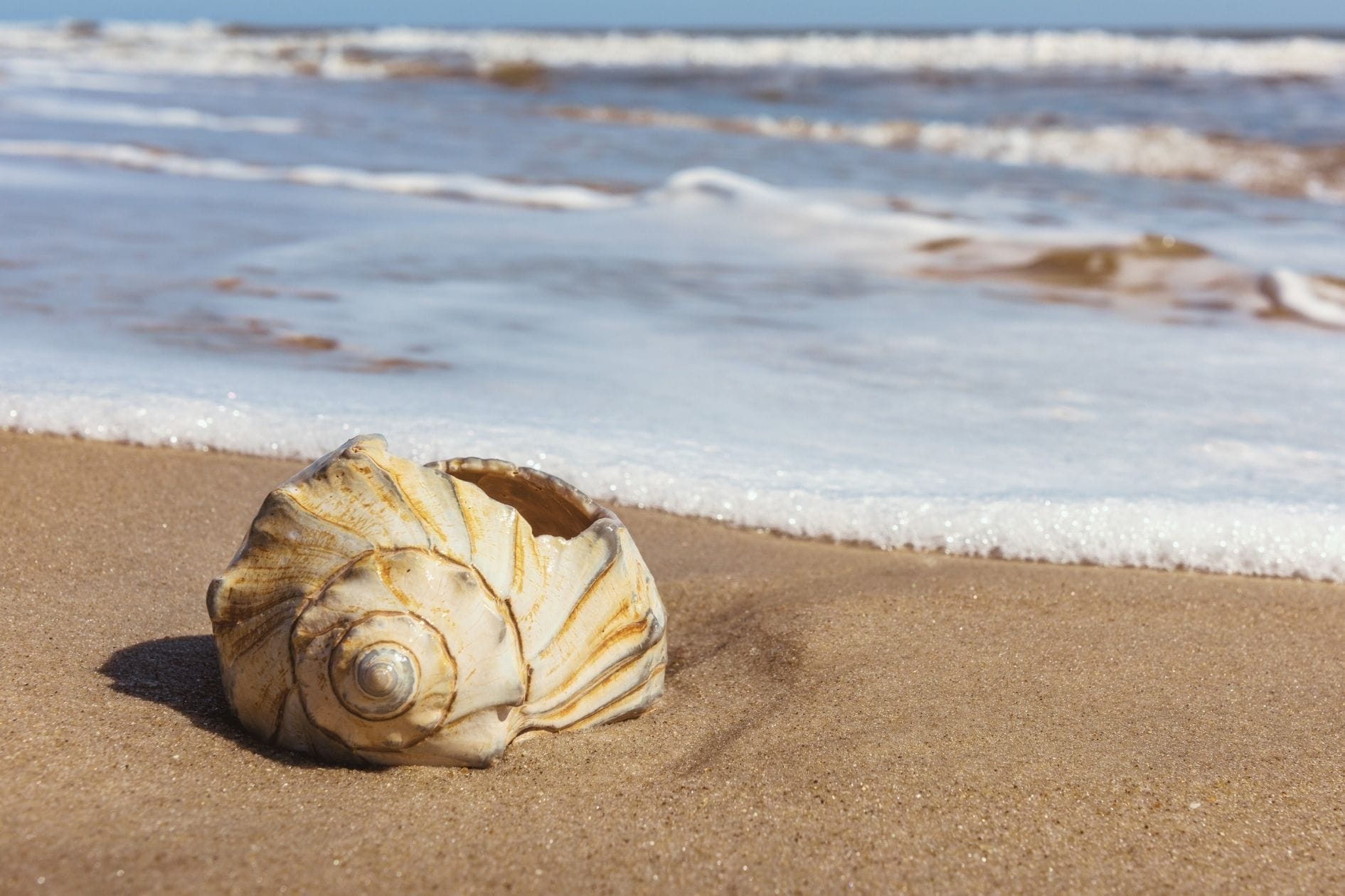
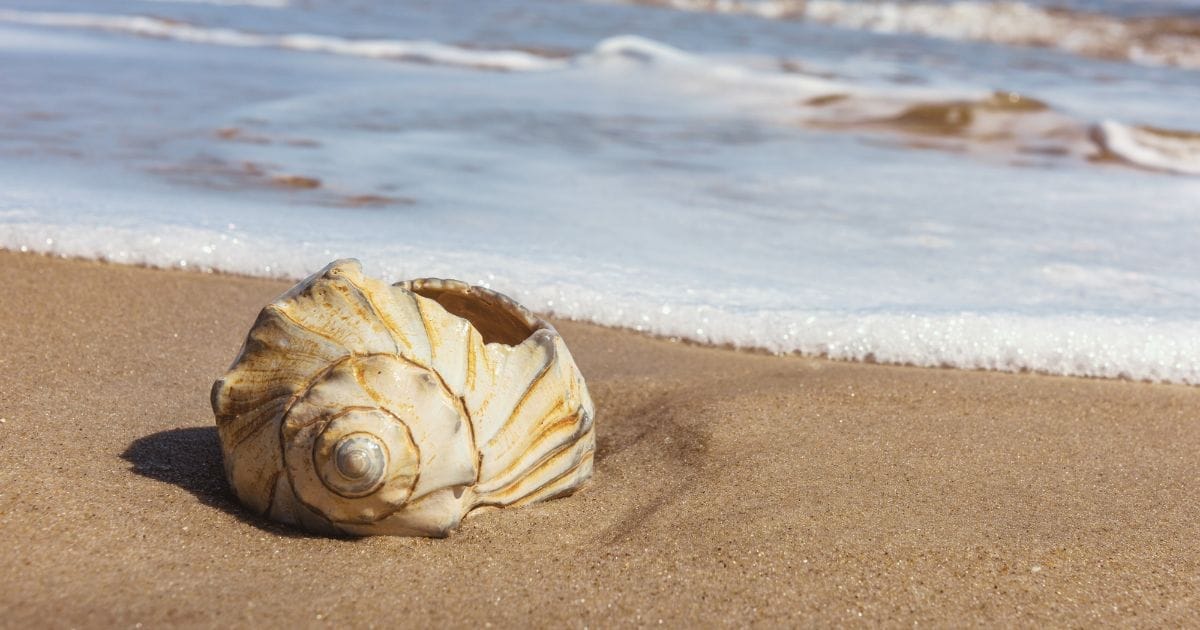
A spiral shell that opens to the left (most shells open to the right).
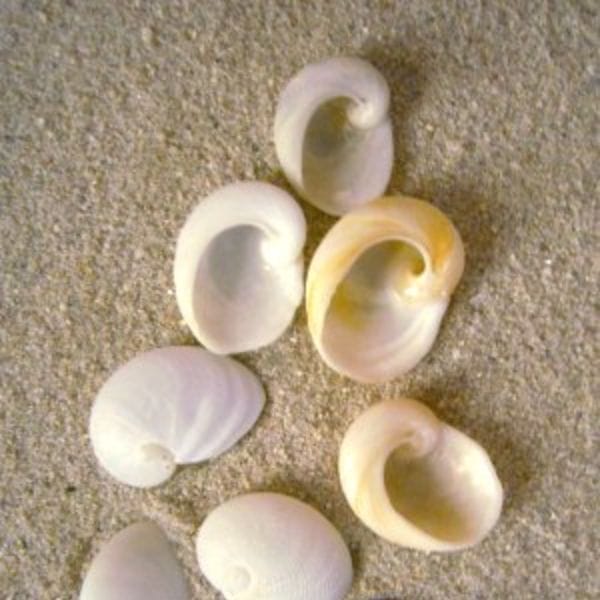
Baby's Ear
A flat, white shell that looks exactly like its name.